Let's be real. The idea of the United States defaulting on its debt feels unthinkable. It's the financial equivalent of the sun not rising. But in a world of political brinkmanship, the unthinkable gets discussed in think tanks and whispered on trading floors. While the probability remains low, the consequences would be so severe that asking "where is the safest place for my money?" isn't paranoid—it's prudent. If that day ever comes, the rules of the game change instantly. This guide cuts through the noise to show you where capital historically flees during systemic crises, and more importantly, gives you a practical, actionable plan that goes beyond just "buy gold."
Your Quick Action Guide
Understanding the Stakes: It's Not Just Default
First, a crucial distinction. People talk about "default," but the immediate trigger for panic would likely be a missed interest payment on Treasury securities. This is a technical default. The US government has never done this. The fallout? According to analyses from the Federal Reserve and the Council of Economic Advisers, it would trigger:
- A freeze in the global payments system that runs on US Treasuries as collateral. >A likely credit rating downgrade, making borrowing costlier for everyone—government, businesses, you. >Massive volatility in stock and bond markets. >A potential run on the US dollar... but here's the non-consensus part: the dollar might not collapse.
Wait, what? In a true crisis, everyone looks for the least-bad option. The euro has its own structural issues. The yen is burdened by colossal debt. The Swiss franc is tiny. There's simply no deep, liquid, and politically stable alternative to the dollar's role. So, the initial panic might see a flight to quality within the dollar system, not necessarily a wholesale abandonment of it. Your goal isn't to bet against the dollar per se, but to protect your purchasing power from the inflation, market crashes, and banking stress that would follow.
The Hierarchy of Safety: Where Money Goes
Safety in this context means preservation of capital and liquidity above all else. Return on investment becomes a distant second thought. Based on historical crisis behavior (like 2008) and the unique nature of a US default scenario, here’s where capital would likely seek shelter, ranked by their defensive characteristics.
| Asset / Haven | Why It's Considered Safe | The Major Drawback | Accessibility for Average Investor |
|---|---|---|---|
| Short-Term US Treasuries (Pre-Default) | Still the global benchmark for "risk-free" assets. If held to maturity, you get principal + interest. | >Becomes the epicenter of the crisis if a payment is missed. Market value would plummet. >High (via brokerage or TreasuryDirect).||
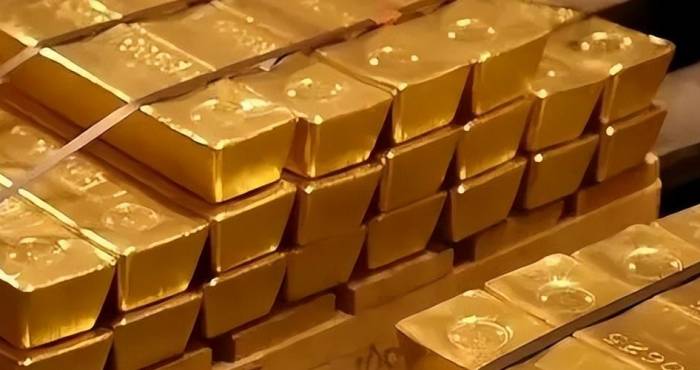
| Physical Gold & Silver | >No counterparty risk. Tangible, historical store of value during currency crises. >No yield. Storage and insurance costs. Can be volatile in the short term. >Medium (need secure storage).|||
| Foreign Sovereign Bonds (Swiss, German) | >Diversifies away from US-specific risk. Strong, stable issuers. >Currency risk (Euro, Franc could appreciate). Complexity of foreign accounts. >Medium (via int'l brokerage).|||
| Money Market Funds (Gov't Only) | >High liquidity, very low volatility. Invests in shortest-term government debt. >"Breaking the buck" risk if underlying securities are impaired. >High.|||
| Cash (in a Strong Bank) | >Ultimate liquidity. FDIC insured up to $250k. >Loses purchasing power to inflation. Bank run risk (though FDIC mitigates). >High.|||
| Cryptocurrency (Bitcoin) | >Decentralized, outside traditional banking. Some view as digital gold. >Extreme volatility. Regulatory uncertainty. Technical barrier for many. >Medium-High.
The Gold Dilemma: Physical vs. Paper
Everyone says "gold." But the devil's in the details. In a true systemic crisis, the difference between holding a physical gold bar in a secure vault (or safe) and owning a gold ETF like GLD could be everything. The ETF is a financial promise backed by gold held by a custodian (like HSBC). If that custodian faces issues, your "gold" exposure becomes a legal claim, not metal. Physical gold in your possession has no counterparty risk. It's just you and the element. The trade-off is obvious: convenience and low cost (ETF) versus absolute security and hassle (physical). My take? If you're hedging for end-of-the-world-as-we-know-it scenarios, a small allocation to physical metal you can hold makes psychological and practical sense.
The Swiss Franc Play
Switzerland's political neutrality, strong balance sheet, and history of banking secrecy make the franc (CHF) a classic haven. You can buy it through a forex account or a currency ETF like FXF. But here's the subtle point everyone misses: the Swiss National Bank hates a strong franc because it kills their exports. They actively intervene to weaken it. In a panic, they might impose capital controls or negative interest rates to stop the influx, eroding your gains. It's a good hedge, but not a perfect one.
Short-Term US Debt: The Contrarian Angle
This sounds crazy, right? Betting on the very thing that's defaulting. But think it through. If the US misses a payment, it would be politically catastrophic. A solution—a raising of the debt ceiling, a prioritization of payments—would be forged within days or weeks. The Treasury bills maturing after that resolution could skyrocket in value as investors scramble for the "new" safe debt. It's a high-risk, high-potential-reward trade for the brave, not the safe-haven seeker.
How to Prepare Your Finances (A Step-by-Step Approach)
You don't need to move everything to a bunker in New Zealand. Sensible preparation is about layering your defenses, like an onion.
Layer 1: The Liquidity Cushion. This is non-negotiable. Have enough cash in FDIC-insured accounts to cover 3-6 months of living expenses. Not in a mattress—in a bank. This is for daily life if ATMs get weird or credit cards glitch.
Layer 2: The Crisis Hedge. This is a 5-15% allocation of your investment portfolio to assets that are uncorrelated to US financial stress. Think:
- A physical gold coin or small bar in a home safe (for extreme scenarios). >A gold ETF (GLD, IAU) for easier trading. >A fund holding international government bonds from AAA-rated countries. >A very short-term Treasury ETF (like SGOV) if you believe the crisis will be short-lived.
Layer 3: Geographic Diversification. If you have significant assets, consider holding some in a reputable bank or brokerage abroad. Singapore and Switzerland are common choices. This is advanced and has tax implications—consult a professional.
Layer 4: Debt Management. In a crisis, credit freezes. Having little to no high-interest debt (credit cards) is a form of safety. A fixed, low-rate mortgage is less of a concern.
I lived through 2008. The feeling wasn't just about falling portfolio values; it was the fear that the entire system might seize up. The people who slept best had cash in the bank, no pressing debts, and a diversified plan. They didn't panic sell because they didn't need the money next week.
Common Mistakes and Expert Considerations
I've seen people get this wrong for decades.
Mistake 1: Going All-In on One "Safe" Asset. Putting everything into gold, or Swiss francs, or Bitcoin is speculation, not safety. True safety is in a basket.
Mistake 2: Ignoring Liquidity. What good is a gold bar if you can't sell it easily to pay for a medical bill? Or if the only buyer is offering 30% below spot price because markets are frozen? Your safest assets must include highly liquid components.
Mistake 3: Forgetting About Inflation. A US debt crisis would likely be met with massive monetary stimulus (the Fed printing money) to unfreeze markets. This is inflationary. Cash under the mattress loses value fast. Your haven assets need to protect against this too—gold and foreign assets often do.
Mistake 4: Panic-Moving Money During the Crisis. The time to build your bunker is when the sun is shining. When headlines scream "DEFAULT IMMINENT," markets are chaotic, spreads are wide, and you'll likely sell low and buy high. Prepare now, then stick to your plan.
Your Burning Questions Answered
Should I hold physical gold or gold ETFs in a crisis?
Are money market funds still safe if the US defaults?
Is real estate a safe haven during a US debt crisis?
What about cryptocurrencies like Bitcoin?
How do I actually buy foreign government bonds?
The bottom line is this: the safest place for your money isn't a single location. It's a strategy. It's a layer of cash for immediate needs, a layer of non-correlated assets for wealth preservation, and a mindset that avoids panic. A US debt default would be a storm of unprecedented scale, but by anchoring your finances in diverse, time-tested havens, you can ensure your financial ship remains upright, ready to sail when the waters calm.