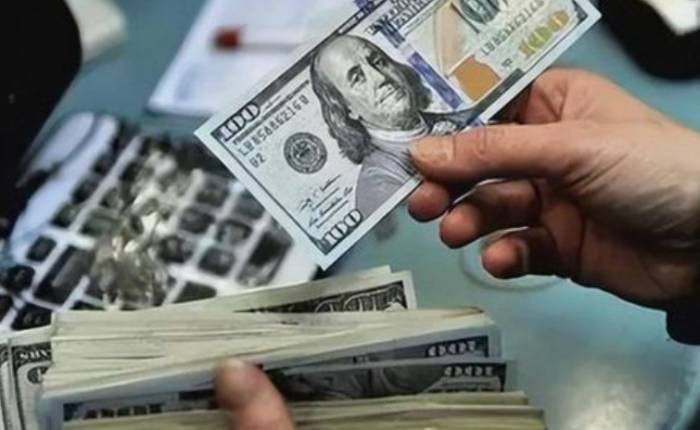
Let's cut straight to the chase. When people talk about Berkshire Hathaway's cash, they're usually fixated on one thing: the staggering dollar figure that gets reported every quarter. It's a headline grabber, for sure. But if you stop there, you've missed the entire point. That mountain of cash isn't a static pile of money gathering dust; it's the most carefully managed, strategically deployed weapon in Warren Buffett and Charlie Munger's investing arsenal. It's what allows them to sleep soundly during market panics and pounce when everyone else is frozen in fear. Understanding this cash strategy isn't just academic—it's a masterclass in financial discipline that every serious investor needs to absorb.
What You'll Learn Inside
Why a $150+ Billion Cash Pile Isn't a Waste of Money
I've heard the criticism a thousand times. "Buffett is sitting on too much cash! It's dragging down returns! He's lost his touch." This view is incredibly short-sighted. It comes from a mindset that believes being 100% invested in stocks at all times is the only path to wealth. Berkshire's cash position is a direct rejection of that dogma.
Think of it as financial optionality. In the insurance business, which is Berkshire's core, they call it "float"—premiums collected upfront that can be invested before claims are paid. The cash stockpile is like float on steroids. It's patient capital with no expiration date and no nervous owner demanding immediate returns. This creates a structural advantage almost no other entity has.
The key insight most miss: The primary purpose of the cash isn't to earn a high return in a money market fund. Its purpose is to be available. The return it generates while waiting is incidental. The real payoff comes when a 2008-style crisis hits, or a fantastic business like Precision Castparts comes up for sale at a sensible price, and Buffett can write a check for tens of billions without begging a bank for financing or selling other holdings at fire-sale prices.
I remember reading the 2008 shareholder letter where Buffett described deploying capital during the meltdown as "loading up the elephant gun." That imagery stuck with me. The cash is the ammunition. You don't criticize a hunter for having bullets in his gun before he sees the target; you criticize him for being empty when the prize appears.
How Buffett Actually Deploys the Cash: A Three-Pronged Attack
It's not just about buying stocks in a crash. The deployment strategy is nuanced and follows a clear hierarchy of preferences. After tracking this for years, I see a consistent pattern.
1. The Elephant-Sized Acquisition (The First Choice)
This is the dream scenario. Buying a whole, wonderful business at a fair price that can be bolted onto Berkshire forever. Think BNSF Railway or Heinz (now Kraft Heinz). These moves are rare because the bar is so high. The business must have durable competitive advantages, able and trustworthy management, and a sensible price. The cash pile means Berkshire never has to pass on such a deal due to lack of funds.
2. Repurchasing Berkshire Hathaway Stock
When the market values Berkshire below Buffett and Munger's conservative estimate of its intrinsic value, buying back shares becomes a no-brainer. It's a way to deploy cash that directly benefits continuing shareholders by increasing their ownership stake in the underlying assets. The repurchase threshold is strict—they will only buy if the price is below a conservative estimate of intrinsic value—which acts as a built-in discipline mechanism. It's not a tool to prop up the stock price; it's a capital allocation tool.
3. Adding to Public Equity Stakes
This is what the financial media focuses on, but it's often the third option. Adding to positions in Apple, Bank of America, or Coca-Cola. The scale here is still massive—we're talking multi-billion dollar additions—but it's more incremental than a full acquisition. The cash allows them to average down aggressively during market dips on their highest-conviction ideas, something retail investors often can't do because they're either fully invested or too scared.
| Deployment Method | What It Looks Like | Key Requirement | Recent Example |
|---|---|---|---|
| Major Acquisition | Buying 100% of a large company. | "Wonderful business at a sensible price." | Precision Castparts (2016) |
| Stock Buybacks | Berkshire buying its own shares. | Price below intrinsic value. | Ongoing, with increased activity in recent years. |
| Public Market Buys | Adding to existing stock holdings. | Price offers compelling value vs. long-term prospects. | Large additions to Apple and Occidental Petroleum. |
| Building Treasury Holdings | Buying short-term U.S. Treasuries. | Default action when no other opportunities meet the bar. | The constant, multi-year holding of T-bills. |
The final, default position is what they do when none of the above three are attractive: park it in short-term U.S. Treasury bills. Safety and liquidity are paramount. You won't see them chasing yield in corporate bonds or complex instruments. The simplicity is deliberate.
The Single Biggest Mistake Investors Make When Trying to Copy This
Here's a non-consensus opinion you won't hear often: most investors who try to emulate Berkshire's cash strategy do it backwards and end up hurting themselves.
They see the big cash number, get enamored with the idea of "dry powder," and decide to hold, say, 30% of their portfolio in cash. Sounds smart, right? The problem is timing and temperament. They hold the cash during a long, grinding bull market. They watch their friends make money while their cash earns nothing. The psychological pressure builds. Then, a 10% market correction hits—not even a crash—and in a fit of anxiety, they deploy half their cash too early. When the real bear market arrives and prices are down 30-40%, they have no ammunition left and are often selling out of fear instead of buying.
Berkshire's advantage is permanent capital. They don't have investors who can redeem. They don't have a board demanding quarterly performance. They can wait for years, even a decade, for the right pitch. An individual investor with a 30-year time horizon has a version of this advantage, but they sabotage it by being impatient with their own cash. The lesson isn't "hold lots of cash." The lesson is "build a portfolio and a mindset where you can afford to be patient, and only hold significant cash when prices are demonstrably high across the board." For most people, that means a consistent saving and investing plan, with a small tactical cash reserve that only gets used when they have a high-conviction idea on sale.
Practical Lessons for Your Own Portfolio (Beyond Just Holding Cash)
So, what can you actually do? You can't replicate Berkshire's structure, but you can adopt the principles.
First, reframe how you view cash. Stop seeing it as a drag on performance. Start seeing it as a call option on future market irrationality. The premium you "pay" (in foregone gains during a bull market) is worth it for the right to buy great assets at distressed prices.
Second, build your own "sleep-at-night" buffer. This isn't your emergency fund for car repairs. This is a separate pool of capital—maybe 5-10% of your investable assets—that you mentally label as "opportunity funds." You commit, in writing, to only using it when a specific condition is met. For example, "I will only deploy this if the S&P 500 drops 25% from its high," or "I will only use this to add to my two highest-conviction stocks if they fall below my calculated fair value." The rule prevents emotional deployment.
Third, and most importantly, focus on generating your own "float." For Berkshire, it's insurance premiums. For you, it's your day job, your side hustle, your rental income—any consistent stream of new capital you can invest. This is your most powerful tool. If you're consistently saving 15% of your income, you're always deploying cash, month in and month out. You don't need a huge static pile if you have a reliable, incoming stream. During a downturn, you simply direct that stream into the market at lower prices. This is how regular people simulate Berkshire's advantage.
The worst position to be in is 100% invested with no savings rate and no cash reserve. You're a passive spectator during a sale. Berkshire's cash strategy, at its heart, is about never allowing yourself to be in that position.