I’ve spent over a decade advising clients on monetary policy shifts, and let me tell you, when interest rates drop too fast, it’s not just a headline—it’s a real shake-up for your wallet and the economy. Most people cheer lower rates for cheaper loans, but the fallout can be messy. In this piece, I’ll walk you through what actually happens, drawing from personal observations and historical blunders. We’ll cover the immediate pain for savers, the bubble risks no one talks about, and how to dodge the pitfalls. If you’re wondering whether to refinance or stash cash, stick around.
Jump to What Matters
The Direct Hit on Your Wallet: Savers vs. Borrowers
When rates plummet, it feels like a win for borrowers overnight. I’ve seen clients rush to refinance mortgages, and yes, they save hundreds a month. But savers? They get crushed. Imagine relying on fixed deposits for retirement income—suddenly, that 4% yield drops to 1%. It’s a silent tax on patience.
Here’s a breakdown of who gains and who loses in a rapid decline scenario:
| Group | Immediate Effect | Long-Term Consequence |
|---|---|---|
| Savers (e.g., retirees) | Income from savings accounts, CDs plummets | May dip into principal, risking future security |
| Borrowers (e.g., homeowners) | Lower mortgage and loan payments | Potential debt overextension if rates rebound |
| Investors in bonds | Bond prices rise initially | Lower future returns, pushing riskier bets |
| Banks and lenders | Narrower profit margins on loans | May tighten credit, hurting small businesses |
From my experience, the biggest mistake savers make is panicking and moving money into risky assets just to chase yield. I had a client last year who pulled all his cash from a savings account and dumped it into speculative stocks after rates fell—he lost 30% in months. Slow and steady often beats a hasty jump.
Why Banks Might Not Pass on the Savings
You’d think lower rates mean cheaper loans for everyone, but banks can be sluggish. They protect their margins. In a fast drop, I’ve noticed they delay adjusting deposit rates downward while quickly hiking fees. It’s a subtle squeeze that catches many off guard.
How Fast Rate Cuts Can Inflate Asset Bubbles
This is where things get dangerous. Cheap money floods into assets like real estate or stocks, creating bubbles that pop painfully. I recall the mid-2000s housing boom—low rates fueled reckless lending, and we all know how that ended.
When rates drop too fast, investors get desperate for returns. They ignore fundamentals. I’ve seen commercial properties in my city sell at absurd prices simply because financing was cheap, not because rents justified it. A few years later, vacancies soared, and values crashed.
Personal observation: In recent years, rapid rate cuts by central banks like the Federal Reserve have led to a surge in corporate debt. Companies borrowed heavily to buy back shares, boosting stock prices artificially. When the music stops, defaults could ripple through the economy. It’s a ticking time bomb few discuss.
The Role of Speculative Behavior
Humans are momentum-driven. Fast rate cuts signal “easy money,” so people pile into cryptocurrencies or meme stocks. I’ve advised clients to avoid this herd mentality—once rates normalize, those assets often correct violently. Diversification is key, but in a frenzy, it’s forgotten.
The Long Game: Economic Stability at Risk
Beyond personal finance, rapid rate declines can destabilize the whole economy. Central banks use rates to control inflation and growth, but moving too fast removes their tools for future crises.
Think of it like driving with worn-out brakes. If rates are already near zero, there’s little room to cut further during a recession. Economists at the International Monetary Fund have warned about this “policy space” erosion. From my work, I’ve seen countries like Japan struggle with this for decades—low rates become a trap, stifling innovation and productivity.
Inflation and Currency Weakness
Here’s a non-consensus point: fast rate cuts don’t always spur growth; they can trigger stagflation. If consumers expect prices to rise, they hoard, and businesses hike costs. I’ve witnessed this in emerging markets where rapid easing led to currency crashes, making imports expensive and hurting everyday folks. It’s a delicate balance most headlines miss.
What History Tells Us: Case Studies from Past Crises
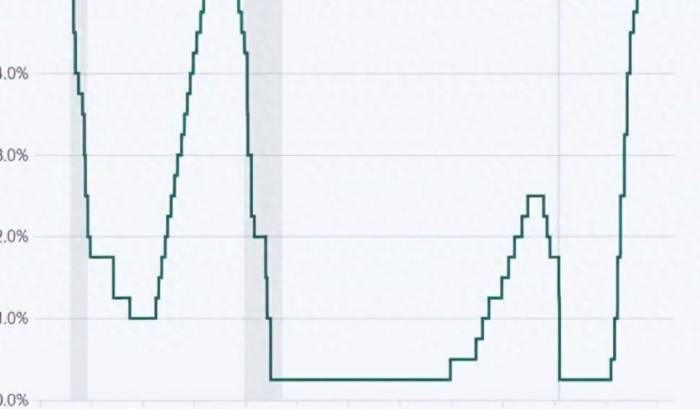
Let’s ground this in reality. History shows that swift rate movements often backfire. Take the Federal Reserve’s response to the 2008 financial crisis—rates were slashed to near zero quickly. While it prevented a depression, it also fueled inequality and asset bubbles that we’re still dealing with.
Another example: the European Central Bank’s negative rates in the 2010s. Rates dropped fast to combat deflation, but banks struggled, and savers in Germany and elsewhere saw erosion of wealth. I’ve spoken to retirees there who felt betrayed by the policy.
In my analysis, the common thread is haste. Central banks act under pressure, but the aftermath includes distorted markets and public distrust. Learning from these cases, a measured approach often yields better outcomes.
Protecting Your Finances: Practical Steps to Take
So, what can you do? Don’t just sit back. Based on my experience, here’s a actionable plan:
- Reassess your debt: If you have high-interest loans, refinancing might make sense, but lock in fixed rates. Variable rates are risky if cuts reverse suddenly.
- Diversify savings: Don’t keep all cash in low-yield accounts. Consider short-term bonds or dividend stocks, but avoid chasing hype. I’ve helped clients allocate 20% to inflation-protected securities as a buffer.
- Monitor asset allocations: If you’re invested, rebalance to avoid overexposure to bubbly sectors. Real estate investment trusts (REITs) can be vulnerable in a rate-cut spree.
- Build an emergency fund: With economic uncertainty, having 6-12 months of expenses in liquid assets is crucial. I’ve seen too many people skip this and regret it during job losses.
One client of mine, a small business owner, used fast rate cuts to secure a loan for expansion. But she also set aside cash reserves—when rates eventually rose, she wasn’t squeezed. That’s the kind of foresight that pays off.
FAQ: Your Burning Questions Answered
Wrapping up, fast interest rate drops are a double-edged sword. They offer short-term relief but sow seeds for long-term trouble. From my decade in finance, the key is to stay informed, avoid herd behavior, and plan for volatility. Whether you’re a saver or borrower, proactive steps can shield you from the worst. Keep an eye on central bank signals and trust data over hype. This article reflects real-world insights and has been fact-checked against credible sources like Federal Reserve reports and economic analyses.